Pilates is a great way to strengthen and stretch your muscles while improving your posture.
It’s also an excellent exercise for people with injuries or limitations (like me).
But if you’re new to Pilates, it can be hard to know where to start.
That’s why I’ve compiled this guide of tips and tricks for creating this practice!
Don’t try to do it all at once
It’s easy to get overwhelmed when you first start—look at all the different exercises and equipment, then consider how each will affect your body.
Don’t try to do it all at once! Start with a few basic exercises and progress slowly from there.
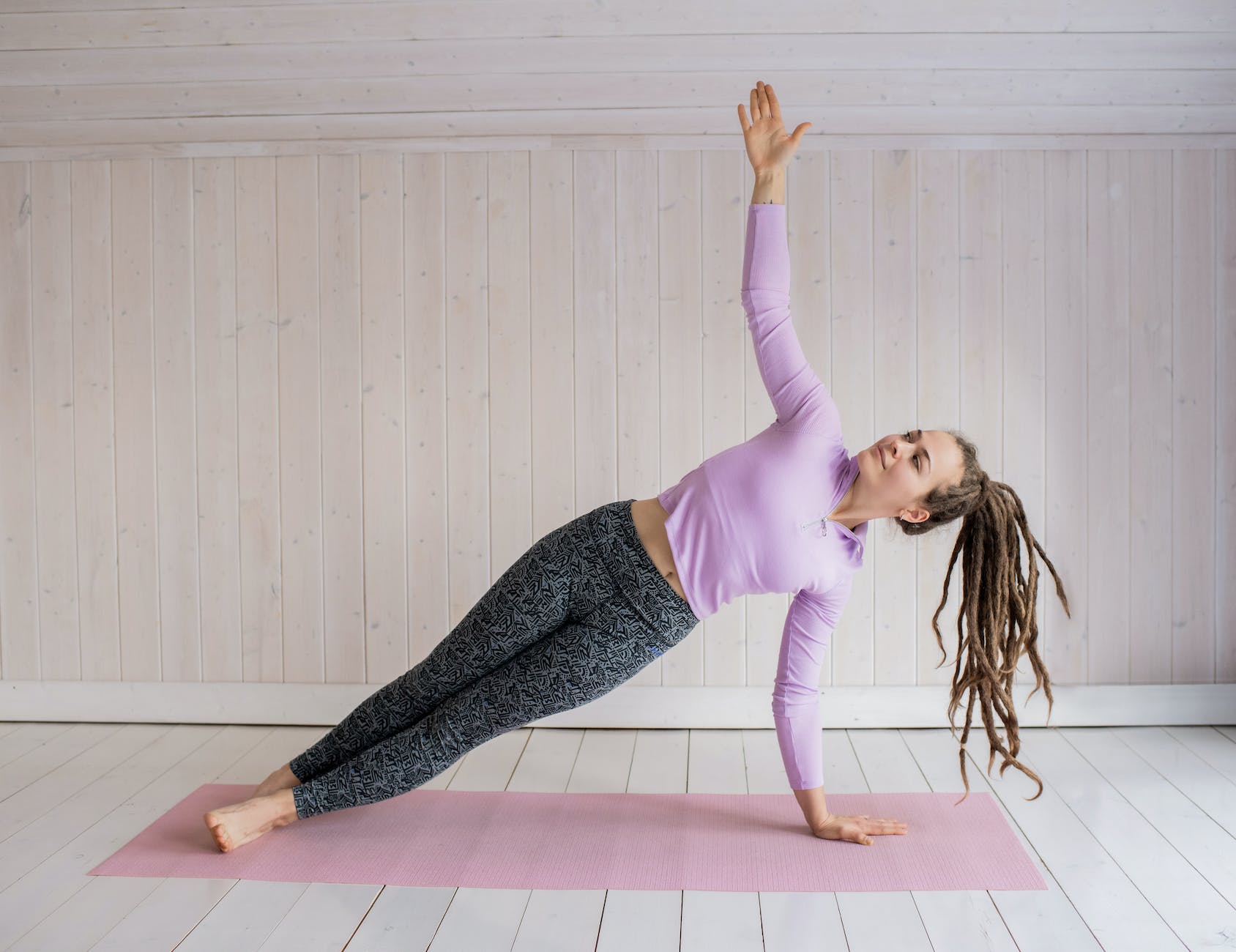
As you gain more experience, then you can add new movements that are more challenging for you.
Keep in mind that this is a process.
It takes time to learn new skills, so be patient with yourself and focus on what YOU can do today instead of comparing yourself with others or feeling frustrated. Everyone was a beginner once.
Check your form with a Pilates pro
One of the best ways to learn a new exercise is with the help of a professional.
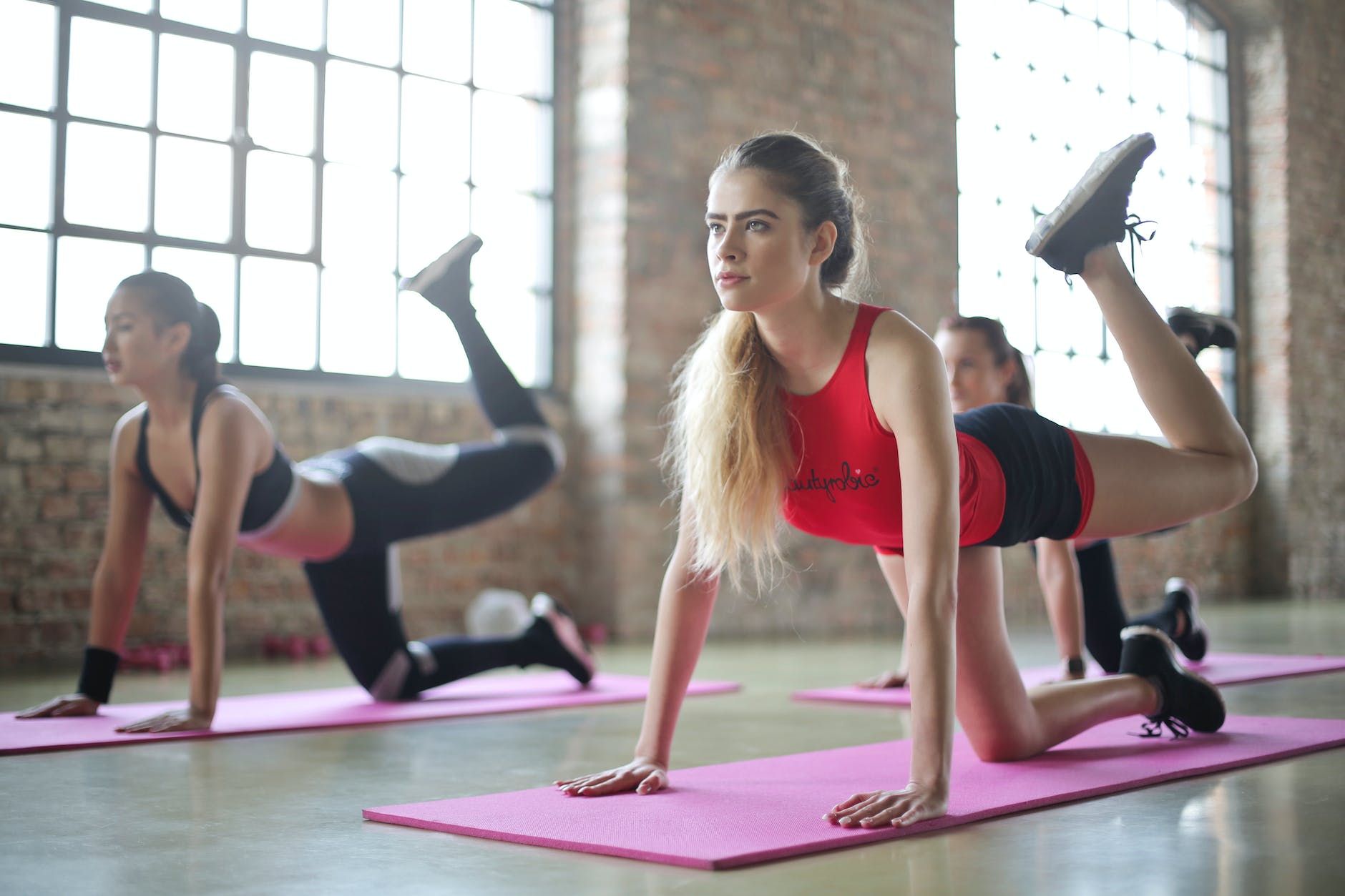
A qualified pilates instructor can walk you through each exercise and ensure you’re doing it correctly, and classes are great for learning from other people who have been there before.
You may also want to read books or watch videos on Pilates to have something to refer back to when needed.
There are many different ways for people to get started with Pilates in their homes or at the gym, but ensuring that all the exercises are done correctly is essential!
Be prepared to move slowly until you find your centre
Before you begin, you must prepare to move slowly until you find your centre. Think of this initial phase as a time for self-discovery and exploration.
It’s beneficial if you can work with an instructor who has experience in helping clients find their centre.
If two instructors are available, they may want to take turns guiding the class through this process so that everyone gets equal attention.
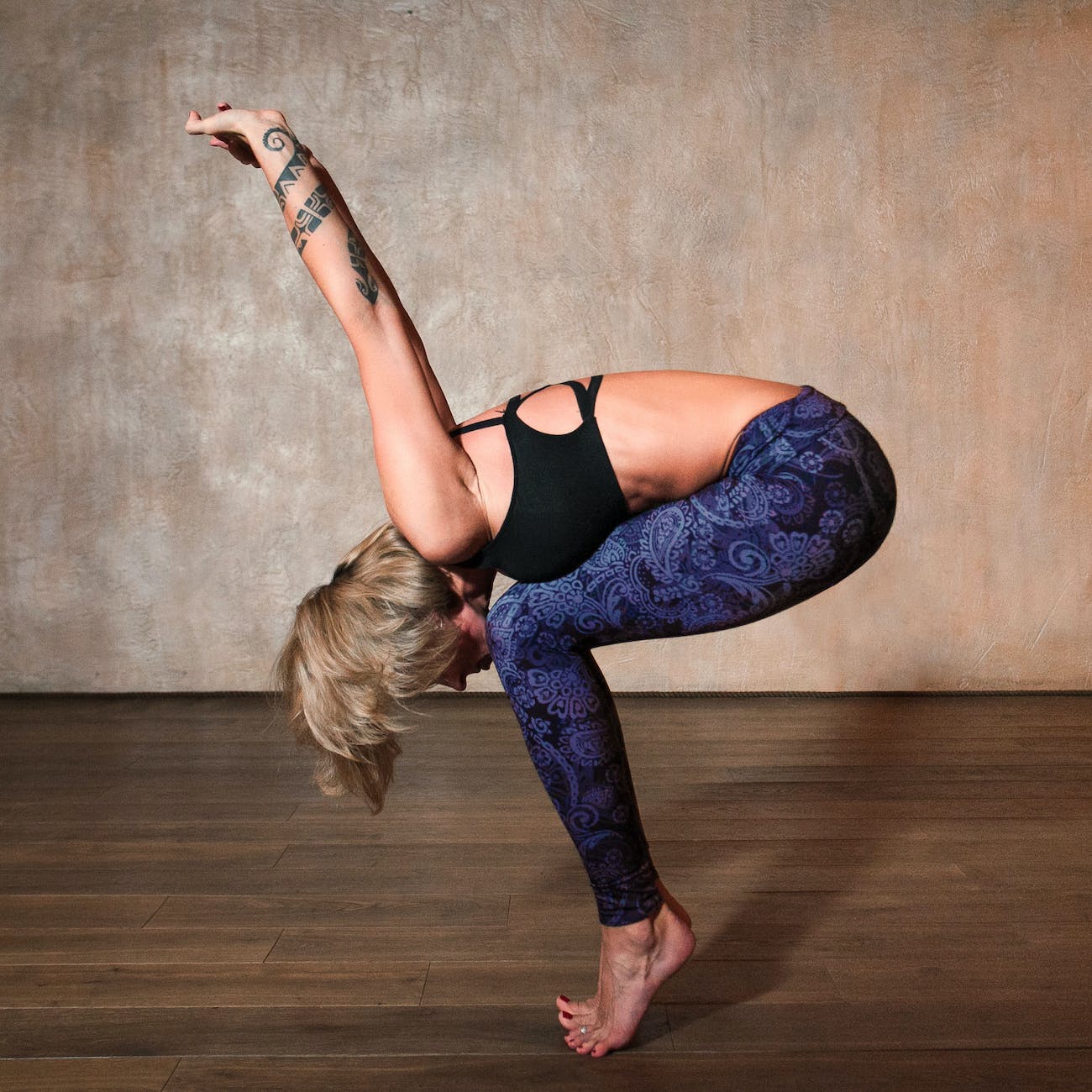
Here are some exercises that might help guide you in finding your centre:
- Place one hand on either side of the lower abdomen, just below the waistline—the “hollow” area where no soft tissue or fat is covering it (that’s why it is called a “hollow”). With your eyes closed and standing tall, breathe deeply into this area for several seconds while concentrating on feeling its movement as air goes in and out. Once again, focus all attention on breathing without any distractions like thoughts about how far along in class everyone else has gotten or whether someone else thinks what you’re doing looks silly! Focus only on yourself right now; others will follow suit when they return later today!
- Now turn around so that both hands are facing forward instead of downward toward the legs (this might feel awkward at first, but once appropriately adjusted, go ahead). With eyes still closed again, start inhaling deeply through the nose while exhaling out mouth slowly until your lungs feel empty—then stop breathing entirely! Notice how much weight feels lifted off the hips/pelvis area when not actively exerting effort during the exhalation phase? That sense should remain throughout the complete exhalation cycle even though no longer actively pushing air out through the nose or mouth – just let gravity do its job by collapsing the chest downwards slightly downwards due to lack of support.
Try to connect your breathing with the movement of your body
Breathing is an integral part of Pilates. It helps you control your movements and focus on what you are doing.
It also allows you to relax and find a deeper level of concentration.

Try to breathe regularly throughout the exercise, even if it means inhaling before some movements and exhaling during others.
Controlled breathing can help you concentrate on your technique instead of worrying about whether or not you need to take another breath!
Practice daily, even if it’s only for 10 minutes
Pilates is a great way to work your core, gain flexibility and balance, and get in shape for summer.
If you’ve never done Pilates or haven’t done it in a while, start with a few basic exercises, such as the plank and leg circles.
Once you’re comfortable with those moves, add some squats and exercises that strengthen your core muscles.
As you advance through this beginner program of activities, take breaks every 20 minutes or so to let your body rest between sets of repetitions (reps).
In addition to strengthening your core muscles and improving balance, practicing Pilates can help prevent low back pain by strengthening key muscles supporting the spine.
Some people who suffer from chronic back pain even find relief using this exercise therapy.
Use a mirror when you’re first starting
Mirror, mirror on the wall: It’s one of the first things any dancer has to learn.
It’s also an excellent way for you to get started with Pilates! You can see your posture and alignment and how your body moves through space.
You can also see if you are exercising correctly, which will help keep your back safe while getting results from every workout.
Keeping an eye on yourself in front of a mirror while you work out is essential to learning proper form and technique.
Pilates is an excellent way to tone and stretch your muscles, but give yourself time to learn the exercises correctly and listen to your body as you practice them.
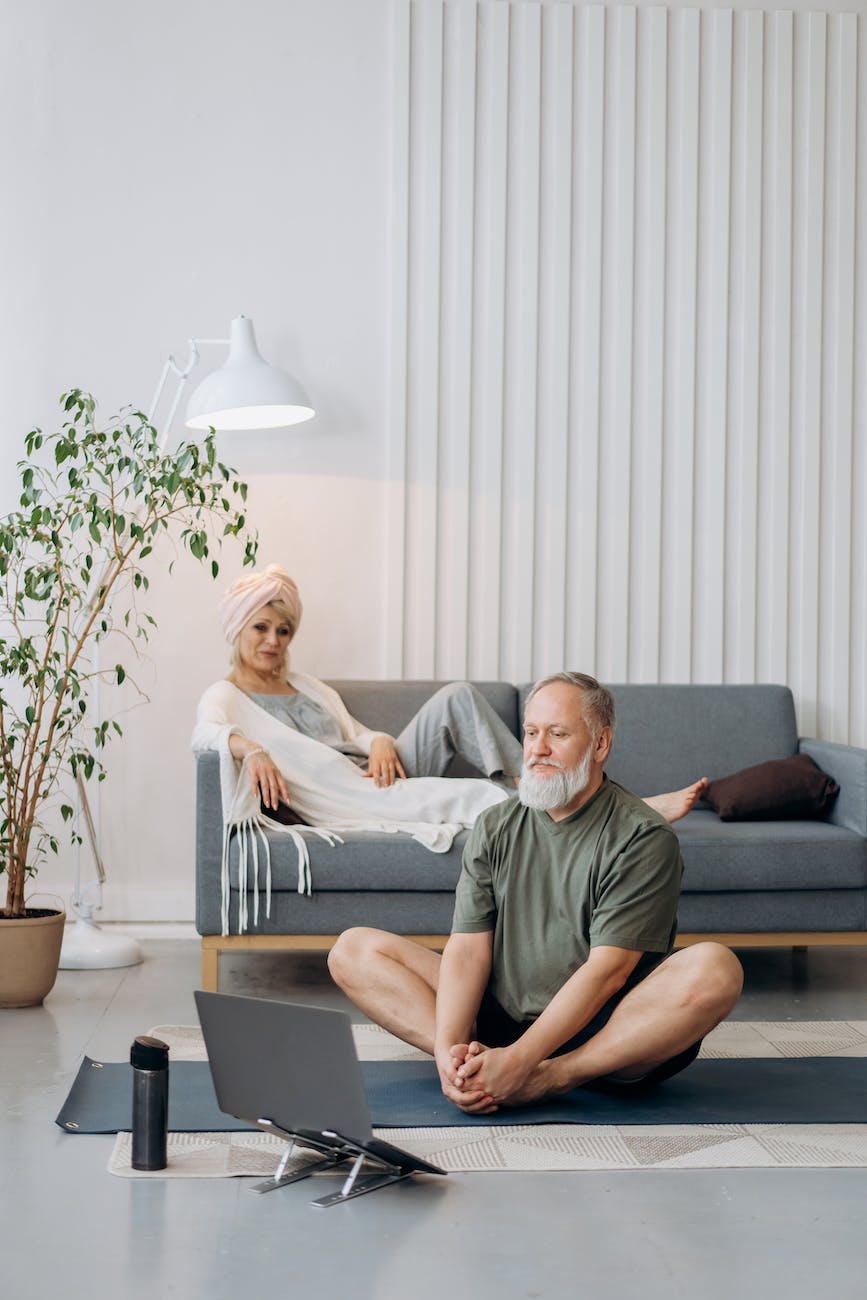
Pilates is an excellent way to tone and stretch your muscles, but give yourself time to learn the exercises correctly and listen to your body as you practice them.
Understanding the movements will help you avoid injury or overstretching yourself.
Your instructor may ask you to increase the intensity or difficulty of an exercise if they think it is too easy for you, so be open-minded about what they might suggest.
If a move feels painful or uncomfortable in any way, speak up!
People with more experience in Pilates can provide valuable feedback about what’s working for others in the class.
Conclusion
Pilates can be a great way to get in shape, but it’s not for everyone.
Be patient with yourself, listen to your body, take breaks when needed, and always keep an open mind as you learn more about this unique form of exercise!
If you decide to try it, remember that there are many different ways to practice, and each person needs their own time for learning.
Get in contact with Little Falls Pilates to find out more about how we can get you on the road to recovery today.
 Little Falls Pilates